
Vivah Puja
Divine Connection, Puja Perfection
A way to establish a personal connection with the divine and seek blessings, guidance, and spiritual fulfillment.
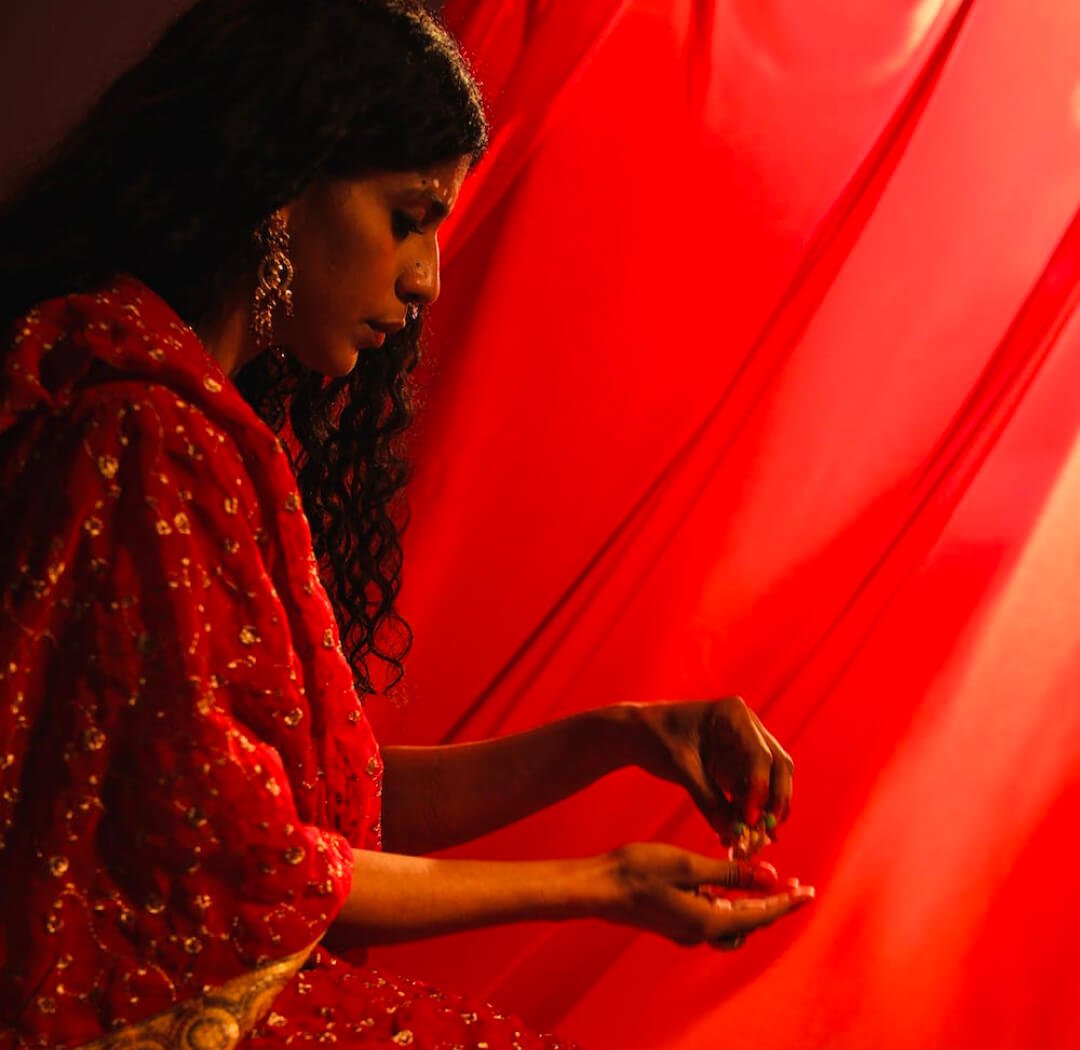
wedding ceremony
The Sacred Union of Marriage
It is one of the most significant and sacred events in Hindu culture, marking the union of two individuals in matrimony.
Setting the Date
Performed on an auspicious day and time, as determined by an astrologer. The date and time are chosen based on the horoscopes of the bride and groom.
Pre-Wedding Rituals
Before the wedding, both the bride and groom participate in various pre-wedding rituals, including the haldi ceremony and the mehndi ceremony.
Exchange of Gifts
Families exchange gifts and offerings as a sign of respect and goodwill.
The Wedding Day
On the wedding day, the bride and groom are beautifully dressed in traditional attire. The bride typically wears a sari, while the groom wears a sherwani or other traditional outfit.
Mandap Setup
A sacred altar, known as the "mandap," is set up at the wedding venue. It is often decorated with flowers and other auspicious items.
Ganesh Puja
The wedding ceremony begins with a Ganesh Puja to seek the blessings of Lord Ganesha, the remover of obstacles.
Exchanging Vows
The bride and groom exchange vows and make promises to each other. These vows are often recited in the presence of a priest and family members.
Saptapadi
The couple takes seven steps together around the holy fire, each step symbolizing a vow and a promise for their future life together.
Mangalsutra and Sindoor
The groom ties a mangalsutra, a sacred necklace, around the bride's neck, symbolizing her marital status. He also applies sindoor to the parting of her hair.
Blessings and Garlands
Family members and guests offer their blessings and congratulations to the newlyweds, typically by placing flower garlands around their necks.
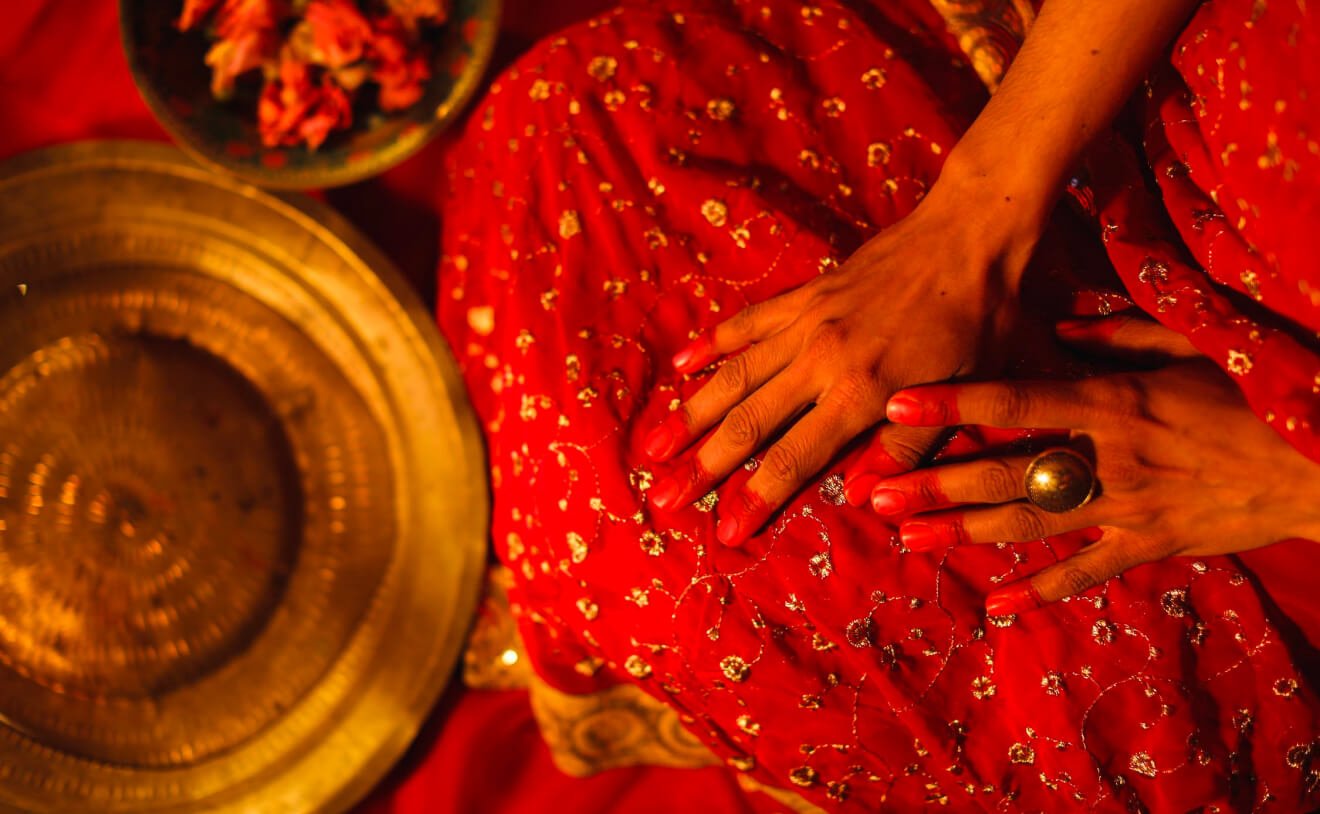
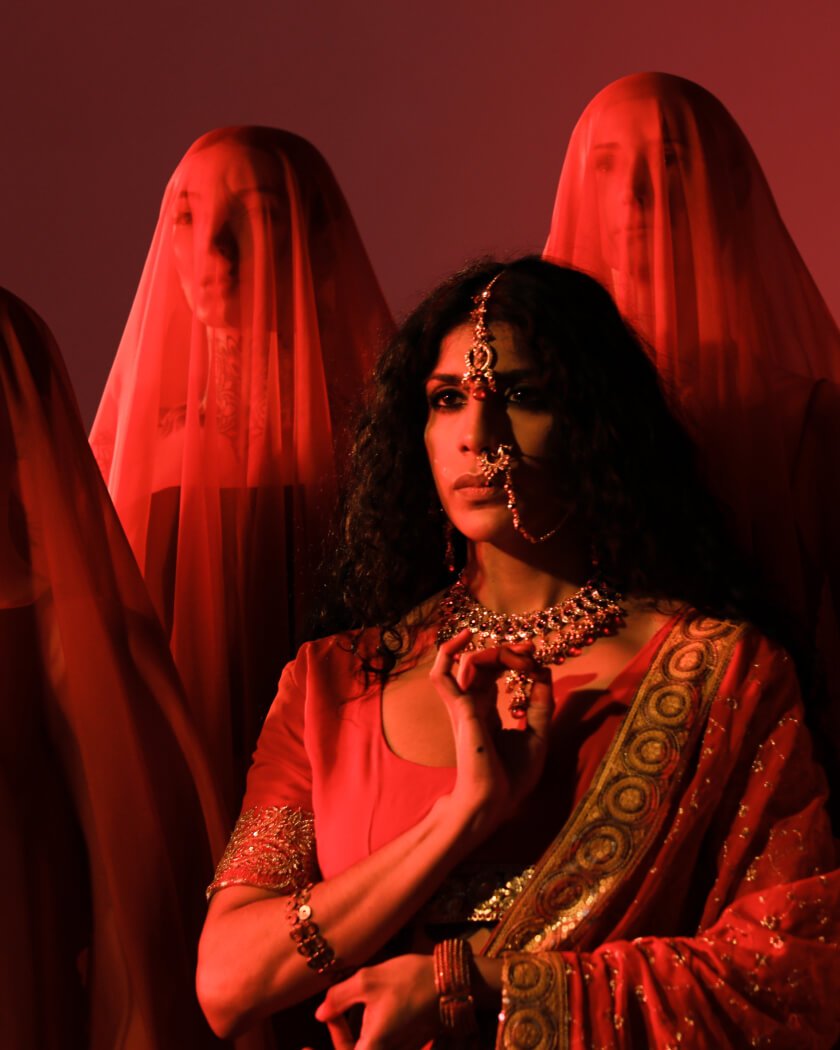
A Hindu wedding is not just the joining of two individuals; it is the union of two souls on a sacred journey, guided by love, dharma, and divine blessings